

AI UGC video tools are changing how creators and brands produce short-form content without traditional filming setups. They turn scripts, product ideas, and creative concepts into creator-style videos that fit modern social platforms.
For creators, AI UGC video tools can save production time by combining avatars, voices, captions, scenes, and editing in one workflow. Instead of arranging every part manually, creators can develop several concepts and adapt them for different audiences.
AI UGC Video Creation
AI UGC video tools make it easier to create UGC-style videos from a script or product brief. A creator can choose a format, add a message, select a virtual creator, and generate a complete video with natural-looking delivery. This works for product reviews, testimonials, promotional clips, and social content.
AI UGC video tools also support faster AI video creation. Automated video generation lets creators experiment with hooks, scenes, and messages while keeping the overall style consistent. For small teams, this can make regular content production much easier.
AI Avatars and Virtual Creators
AI UGC video tools often include AI avatars and virtual creators that can act as presenters. Creators may select realistic human avatars, talking AI avatars, or digital characters that match a campaign. Avatar customization can help create different styles for different audiences.
AI UGC video tools can be useful when frequent videos are needed without arranging a physical shoot. Realistic AI actors can explain services, introduce offers, or present products while creators control scripts, voices, expressions, and presentation styles.
UGC Video Features
AI UGC video tools combine several production features in one workflow. AI voice generation, text-to-speech, lip sync, emotion control, facial expressions, and body language can make a presenter feel more natural. Creators can also use AI subtitles, automatic captions, B-roll, music, transitions, and scene customization.
AI UGC video tools can make voice customization simple when a video needs a particular personality. Some platforms offer multilingual voices and different speaking styles. AI video editing and video remixing can also help creators reuse an existing concept and produce another version.
Product and E-Commerce Videos
AI UGC video tools are useful for product demonstration videos, product showcase videos, and product review videos. A creator can present benefits, explain features, show use cases, or build a customer-style review without organizing a complete production session.
AI UGC video tools can support e-commerce brands with product advertising for launches, promotions, and seasonal campaigns. Product demos, fashion product videos, beauty product videos, app demonstration videos, and shoppable content can be adapted to short-form formats.

AI UGC Ads and Marketing
AI UGC video tools can support UGC ad videos for paid social campaigns. Instead of producing one creative, marketers can create different hooks, advertising angles, scripts, and calls to action. This provides more material for creative testing and campaign experimentation.
These tools can also fit into performance marketing workflows. Brands can create several advertising creatives for one product, change the opening line, switch the presenter, or adjust the offer. This makes ad creative generation more flexible when campaigns need frequent updates.
Social Media UGC Content
AI UGC video tools are well suited to TikTok UGC videos, Instagram Reels, YouTube Shorts, and Facebook video ads. Short-form video needs a strong opening, clear visuals, and a simple message. Creator-style content can present promotional ideas in a familiar social format.
Creators can create vertical video and 9:16 video formats for mobile-first platforms. Creators can develop organic-looking ads, scroll-stopping videos, and influencer-style content while keeping the message focused. These formats also support regular social video marketing.
AI Video Customization
AI UGC video tools give creators control over many parts of a generated video. Script customization adjusts the message for a specific audience, while avatar selection, actor selection, voice selection, and scene customization shape the presentation. Outfits, poses, expressions, mood, music, and subtitles can also be changed.
Ready-made templates can speed up production for creators who do not want to build every scene from scratch. Advanced platforms may offer director modes with additional control over camera angles, timing, and presentation. This is useful when one idea needs several customized versions.
Multilingual UGC Videos
AI UGC video tools can help creators produce multilingual UGC videos for audiences in different countries. AI video translation, AI dubbing, and voice localization can adapt a campaign into multiple languages without recording every market separately.
Some platforms also combine multilingual AI avatars with lip-sync translation. For global marketing, language customization supports localized advertising while keeping the central campaign message consistent across international audiences.
UGC Video Automation
AI UGC video tools can make UGC creation more repeatable through automation. One-click video generation, automated ad production, and no-code video creation simplify the production workflow. Templates and automated content creation can help move an idea to a finished video faster.
AI UGC video tools are especially useful when a business needs bulk video generation. AI creative automation can support scalable video production for different products, audiences, hooks, and platforms. A structured workflow can also help agencies manage rapid video production.
UGC Testing and Creative Scaling
AI UGC video tools make it practical to create creative variations for testing. Marketers can change the AI actor, opening hook, script, advertising angle, or call to action while keeping the product message similar. This creates more options for UGC testing and A/B creative testing.
AI UGC video tools also make creative iteration faster. Different actors and hooks may appeal to different audience segments, so teams can organize multiple versions for experimentation. Results can then guide future creative development without treating every version as a separate production project.
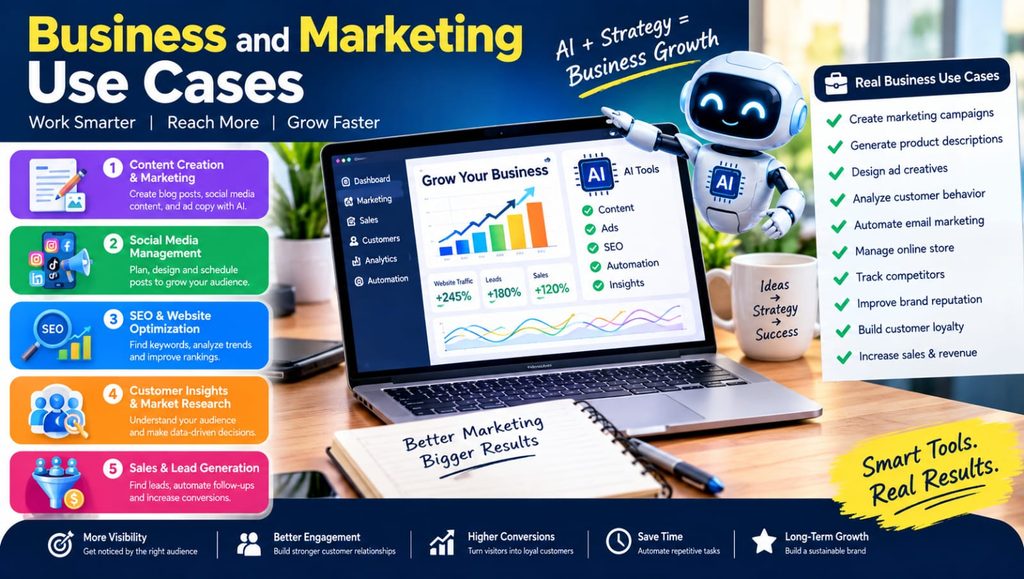
Business and Marketing Use Cases
AI UGC video tools can be used by e-commerce businesses, D2C brands, SaaS companies, mobile apps, marketing agencies, small businesses, and online stores. They can support product marketing, lead generation, affiliate marketing, customer acquisition, and brand awareness campaigns.
AI UGC video tools can also support real estate marketing, software demonstrations, and agency content. Marketing agencies can use automated content creation to manage several clients and campaigns, while small businesses can produce promotional videos without building a traditional production setup.
AI UGC Video Quality and Engagement
AI UGC video tools increasingly focus on realistic AI video, photorealistic avatars, natural delivery, and human-like voices. Quality depends on the platform, avatar, script, voice, and editing choices, so creators should review every result before publishing.
AI UGC video tools work best when the message sounds specific and relatable rather than overly promotional. Attention-grabbing hooks, engaging storytelling, realistic expressions, and customer-style reviews can improve presentation. Creators should keep claims accurate and never present a generated testimonial as a real customer’s experience.
Tool Comparison
| Tool | Main Strength | Useful For |
|---|---|---|
| Arcads | AI UGC ads | Performance marketing |
| HeyGen | AI avatars | Marketing and presentations |
| Creatify | Product video ads | E-commerce |
| Synthesia | AI presenters | Business videos |
| Captions | AI editing | Social content |
| VEED | Video editing | Creators and teams |
| InVideo AI | Prompt-based creation | Marketing videos |
| Canva AI Video | Templates | Social media |
| Colossyan | AI presenters | Business content |
| Elai | AI video presenters | Training and marketing |
The suitable platform depends on your content type, customization needs, publishing frequency, budget, and preferred workflow. Check avatar quality, voice options, editing controls, language support, export quality, commercial usage terms, and pricing before choosing.
See more:AI UGC video tools
AI UGC Video Analytics and Performance Tracking
AI UGC video analytics help brands understand how their videos perform across different platforms and campaigns. By monitoring UGC video performance, brands can analyze video views, watch time, audience retention, engagement rate, click-through rate, and conversion rate. These video engagement metrics provide useful insights into which content attracts viewers and keeps them interested. With audience insights and audience behavior data, marketers can identify patterns and improve their future UGC content.
For businesses running multiple campaigns, UGC ad analytics can make creative optimization more efficient. Marketers can compare creative performance, ad engagement, campaign performance, and video conversion tracking to understand which scripts, hooks, actors, and formats generate better results. Marketing analytics, ROI tracking, and performance monitoring can also support data-driven marketing decisions, helping brands continuously optimize their social media ads, advertising creatives, and AI-generated UGC videos.
Final Thoughts
AI UGC video tools are making creator-style production more accessible to individuals, brands, and marketing teams. They can support avatars, voices, product videos, social ads, multilingual campaigns, and creative testing from a streamlined workflow.
Used carefully, AI UGC video tools can reduce production friction while giving creators more room to experiment. A clear hook, useful information, natural language, accurate product claims, and suitable visuals remain important for creating content that viewers can understand and trust.
FAQs
1. What are AI UGC video tools?
AI UGC video tools are platforms that help create user-generated-content-style videos with AI avatars, voices, scripts, scenes, captions, and editing features.
2. Can AI UGC video tools be used for ads?
Yes. Many AI UGC video tools support product ads, social creatives, demonstrations, and different versions for creative testing.
3. Are AI UGC video tools useful for e-commerce?
Yes. They can create product demonstrations, reviews, launches, feature explanations, and promotional videos for online stores.
4. Can AI UGC video tools create multilingual content?
Many platforms support multilingual voices, AI dubbing, translation, and lip-sync features for localized campaigns.
5. What should creators check before publishing?
Review factual claims, voice quality, avatar expressions, captions, branding, commercial usage rights, and whether viewers could misunderstand a generated testimonial as a real customer experience.

